Most matcha problems are measurement problems. Too much powder and it is bitter, too little and it tastes of nothing, water off the boil and it turns harsh, no sifting and you are chasing lumps around the bowl.
This guide is the numbers. How much powder per cup, how much water, what temperature, and the ratios for tea, thick tea, lattes and iced. Where a figure comes from a maker or an official source, we say so; where it is practical guidance rather than a published specification, we say that too.
Japanese Tea, Direct From Japan
kachicollect only carries products made for the Japanese market. No proxy fees, and duties are shown before you pay.
Shop on kachicollectEvery Measurement in One Table
| What you’re making | Matcha | Liquid | Temperature | Tool | Source |
|---|---|---|---|---|---|
| Thin tea (usucha) | 2 g | 60–70 ml water | 70–80°C | Bamboo whisk | Maker and official guidance |
| Thick tea (koicha) | 4 g | 30 ml water | 80°C | Bamboo whisk | Maker instructions |
| Hot matcha latte from pure matcha | 2 g | 30 ml water, then 120–150 ml milk | 80°C for the water | Whisk or shaker | Practical guidance |
| Iced matcha from pure matcha | 2 g | 30 ml water, then ice and 120 ml liquid | 80°C, then cold | Whisk or shaker | Practical guidance |
| Latte from a sweetened mix | 9.7–24 g, per pack | 100–150 ml water or milk | Per pack | Spoon | Maker specifications |
| Baking and cooking | To taste | — | — | Sieve | Practical guidance |
If you take one number away, take 2 g. That is a single serving of matcha for drinking, and almost everything else is built from it.
How Much Matcha Powder Per Cup
Two grams is one serving. Ippodo’s own recipe for basic thin tea specifies 2 g, and Kyoto Prefecture’s official guidance on preparing matcha also specifies about 2 g. They agree, which is unusual enough to be worth trusting.
If you have no scale, the traditional measure is the bamboo tea scoop, where one heaped scoop is roughly 2 g. In spoon terms, a serving is around one and a half teaspoons, though matcha varies in density and a teaspoon is not a precise instrument.
Adjust within a narrow band. Around 1.5 g gives a lighter bowl and around 2 g a stronger one. Going much beyond that does not make matcha taste more like matcha, it makes it taste more bitter, because you are concentrating the astringency along with everything else.
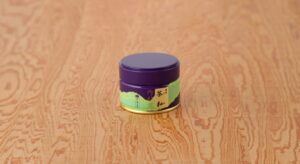
For thick tea, double it. Koicha uses roughly 4 g in half the water, which is where the cost of the powder starts to matter and why koicha is made from a different grade of leaf.
Hot or Cold Water?
Hot, but not boiling. The figure both sources agree on is 70–80°C. Ippodo specifies 80°C; Kyoto Prefecture gives 70–80°C and adds a seasonal note — slightly cooler in summer, slightly warmer in winter.
Why not boiling. Matcha is whole leaf, so everything in it goes into the cup, and water at a full boil pulls the astringency forward and flattens the aroma. The practical fix is to pour boiling water into the bowl or another cup first and let it stand for a minute or two before using it.
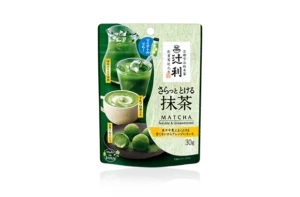
Cold water works, differently. Matcha does not dissolve in any water, hot or cold — it is a suspension. Cold water makes the suspension harder to form, which is why cold preparations usually start with a small amount of hot water to make a smooth base first. The exception is powder that has been specifically processed to disperse cold, which the maker will state on the pack.
Need the Powder to Go With the Method?
Order from the catalog, or send us the link to any Japanese product page for an instant quote. Duties shown before you pay.
Shop on kachicollectHow to Make Matcha as Tea
This is thin tea, usucha, and it is what people usually mean by a bowl of matcha.
1. Sift the matcha. Both sources say to do this and it is the step most people skip. Matcha clumps in the tin, and a lump that goes in dry will still be a lump at the end. Push 2 g through a small strainer straight into the bowl.
2. Add a little water first. Kyoto Prefecture’s method is to pour a small amount of the hot water and work it with the whisk until the lumps are gone, then add the rest. This is the difference between a smooth bowl and a gritty one.
3. Add the remaining water. Total 60–70 ml at 70–80°C.
4. Whisk briskly for about 15 seconds. Ippodo specifies 15 seconds and emphasises speed. Move the whisk from the wrist, forward and back rather than in circles, keeping it just off the bottom of the bowl.
5. Finish the surface. Once the foam is up, slow down, break any large bubbles, and lift the whisk out through the centre. A fine, even foam is the visual target.
Drink it straight away. Matcha separates as it stands, and the texture is best in the first minute.
How to Make Koicha
Thick tea is a different drink, not a stronger version of the same one. The ratio is roughly 4 g of matcha to 30 ml of water at 80°C — double the powder in half the liquid.
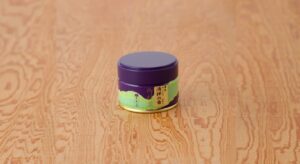
The motion is different too. Koicha is kneaded rather than whisked to a foam: you work the whisk slowly through the paste until it is glossy and even, and there should be no foam at the end. Because the concentration is so high, it needs leaf good enough that intensity does not become harshness, which is why makers designate specific products for it.
If you try koicha with a matcha intended for thin tea, the result is usually unpleasantly bitter. That is the powder telling you it was made for a different job, not a mistake in your technique.
How to Make a Matcha Latte
There are two completely different routes here, and confusing them is the most common reason a home latte disappoints.
From Pure Matcha
Make a concentrated base first, then add the milk. Sift 2 g of matcha, add about 30 ml of water at 80°C, and whisk until smooth and slightly foamy. Then pour in 120–150 ml of milk, hot or cold.
That base step is not optional. Matcha will not disperse properly straight into milk — the fat and protein get in the way — so you end up with green specks suspended in white. These proportions are practical guidance rather than a published specification, so treat them as a starting point and adjust the milk to taste.
Ratio in short: about 1 part matcha base to 4–5 parts milk.
From a Sweetened Mix
Use the dose on the pack, because these products are formulated to a ratio and guessing makes them worse. Sugar and milk powder are already in the mix, so hot water alone finishes the drink, and there is no base step.
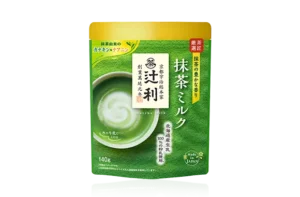
If it tastes weak, the instinct is to add more powder — but that mostly adds sugar. Either use less water or move to a mix with matcha higher in the ingredient list.
How to Make Iced Matcha
Start hot, finish cold. Whisk 2 g of matcha with about 30 ml of hot water into a smooth base, fill a glass with ice, then top with cold water or milk. The hot base is what stops the powder from clumping.
Unless the pack says cold-soluble. Some Japanese powders state on the pack that they dissolve in cold water and cold milk. With those you can skip the base step entirely: pour the powder straight into the cold liquid and stir.
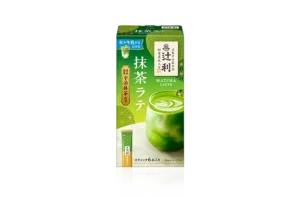
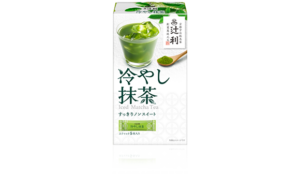
There are also unsweetened stick formats sold specifically for cold matcha, which give a measured dose with nothing added.
If You Don’t Have a Bamboo Whisk
The honest answer is that a bamboo whisk does a job no spoon can, because it breaks up the powder across a wide surface at speed. Neither of the official sources above offers an alternative method — they assume you have one.
There are two practical ways around it. The first is a sealed jar or a cocktail shaker: put the matcha and a little hot water in, shake hard, then top up. The second, and the one makers actually address, is to buy a powder that has been processed to dissolve without whisking. At least one Japanese maker sells an unsweetened matcha specifically described as dissolving readily in water or milk, which exists precisely for this situation.
Troubleshooting
Lumps that will not break up. You did not sift, or you added all the water at once. Sift next time and wet the powder with a splash first.
Powder settling at the bottom. Normal. Matcha is a suspension, not a solution, and it separates as it stands. Drink it fresh and stir as you go.
Too bitter. Usually water that was too hot, or too much powder. Drop to 70–75°C and 1.5 g and see what changes.
No foam. Whisk faster rather than longer, keep the whisk just off the base of the bowl, and use a wide bowl rather than a mug if you have one. Foam also comes more easily from matcha intended for thin tea than from a koicha-grade powder.
Tastes flat and green. Often the powder rather than the method. Colour and aroma fade quickly, and good drinking matcha is often dated at only two to three months.
Doses for Store-Bought Powders
If you are using a sweetened mix rather than pure matcha, the serving size is set by the maker and varies far more than people expect — a 2.5-fold spread across common products.
| Format | Grams per serving |
|---|---|
| Stick, convenience brand | 9.7 g |
| Sachet, professional line | 10.5 g |
| Stick, tea brand | 12 g |
| Bag, rich latte powder | 16 g per cup |
| Stick, café brand | 24 g |
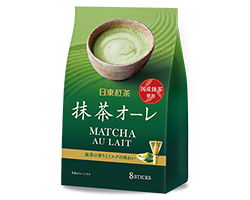
A stick is not a standard unit. If you are switching products, check the grams before assuming one sachet equals one cup of the same strength.
Order Japanese Matcha Worldwide
Powder is light and shelf-stable. Duties shown at checkout, tracked delivery in about 7 to 14 days.
Shop on kachicollectHow to Buy
Order From the kachicollect Catalog
kachicollect is a Japan-based shop carrying only products made for the Japanese market, including Japanese tea. You pay the listed price plus shipping with no proxy fees, and the total including duties is shown at checkout before you pay. Payment is in your local currency by Visa, Mastercard or JCB, so you do not need a Japanese address or card, and orders ship worldwide with tracking in about 7 to 14 days.
Request a Specific Product by URL
If you want a particular tin, a cold-soluble powder or a whisk to go with it, send us the product link from a Japanese site and you will get an instant quote, then buy it directly on kachicollect with no service fees.
Frequently Asked Questions
How much matcha powder per cup?
Two grams for a standard bowl of thin tea, with 60–70 ml of water. About 1.5 g makes it lighter. For thick tea, roughly 4 g in 30 ml.
What is the matcha powder to water ratio?
Roughly 1 g of matcha to 30–35 ml of water for thin tea, and 1 g to about 7.5 ml for thick tea. In practical terms: 2 g to 60–70 ml, or 4 g to 30 ml.
What is the matcha powder to milk ratio for a latte?
Make a base of 2 g of matcha with about 30 ml of hot water, then add 120–150 ml of milk — roughly one part base to four or five parts milk. This is practical guidance rather than a maker specification, so adjust to taste. With a sweetened mix, follow the grams on the pack instead.
Should I use hot or cold water for matcha powder?
Hot, at 70–80°C, and not boiling. For iced matcha, use hot water for a small base first and then add cold liquid, unless the pack states the powder dissolves cold.
How do you drink matcha powder?
Sifted into a bowl, whisked with hot water for about 15 seconds, and drunk straight away while the foam holds. It is not steeped and there is nothing to strain out — you are drinking the leaf.
Can I just stir matcha into hot water with a spoon?
You can, but it will be lumpy and will settle quickly, because matcha suspends rather than dissolves. A whisk, a shaker, or a powder specifically made to dissolve are the three ways around it.
Conclusion
Two grams, 60–70 ml, 70–80°C, sift first, whisk hard for 15 seconds. That single line covers most of what anyone needs. Double the powder and halve the water for thick tea. For a latte, build a concentrated base before the milk goes anywhere near it. And with a sweetened mix, use the grams on the pack rather than your judgement, because the maker formulated it to a ratio.
For which powder to use with which method, see our guides to Japanese matcha powder and the best Japanese matcha by purpose.
The kachicollect catalog carries Japanese tea alongside a wide selection of other Japan-only products, and anything not listed can be requested by sending the product link. You pay the item price plus shipping with no proxy fees, see the total including duties before checkout, and first-time customers can use the code WELCOME20 for 20% off.
Order Japanese Matcha From Japan
Products made for the Japanese market, shipped worldwide with tracking in about 7 to 14 days. Use code WELCOME20 for 20% off your first order.
Shop Now at kachicollect