Yes, plain mochi is gluten-free. It is made from glutinous rice, and despite the name, glutinous rice contains no gluten. But not every mochi product is plain mochi: soy sauce glazes, wheat-based ingredients in some sweets and snacks, and shared factory lines can all bring wheat in, so the answer depends on what you are eating.
In this guide you will find:
- Which kinds of mochi are gluten-free and which are more likely to contain wheat
- Where wheat usually gets into mochi dishes and products
- How to spot wheat on a Japanese food label, even if you do not read Japanese
- What to look for if you have coeliac disease, and where to get mochi made from rice alone
Japanese Mochi, Direct From Japan
kachicollect only carries products made for the Japanese market. No proxy fees, and duties are shown before you pay.
Shop on kachicollectThe Short Answer
| Type of mochi | Main ingredients | Gluten risk |
|---|---|---|
| Plain kirimochi | Glutinous rice only | Low: check the label for shared-factory notes |
| Daifuku | Glutinous rice flour, sugar, bean paste | Usually low, but fillings vary |
| Dango | Rice flour | Low plain; high with soy sauce glaze |
| Warabimochi | Starch, kinako | Usually low, check the starch used |
| Isobeyaki, mitarashi dango | Mochi or dango with soy sauce | High: regular soy sauce contains wheat |
| Mochi ice cream and packaged snack mochi | Varies by product | Check every product |
Why Plain Mochi Is Gluten-Free
Mochi is made from mochigome, a glutinous rice that is steamed and pounded. “Glutinous” describes its glue-like stickiness, which comes from the rice starch amylopectin, not from gluten. Gluten is a protein found in wheat, barley and rye, and rice contains none of it.
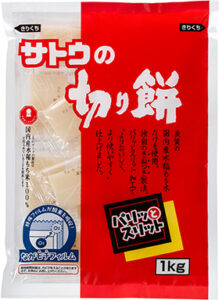
That means plain mochi made only from glutinous rice has no gluten-containing ingredients. Kirimochi, the plain blocks sold in Japanese supermarkets, is often exactly that: Sato Foods’ standard kirimochi, for example, lists a single ingredient, Japanese glutinous rice. Our guide to what mochi is covers the ingredients and how it is made.
Where Wheat Gets In
Soy Sauce
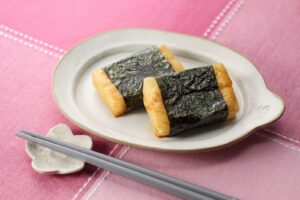
The most common source of wheat in mochi dishes is soy sauce. Regular Japanese soy sauce is brewed from soybeans, wheat and salt, so savoury mochi such as isobeyaki, grilled mochi dipped in soy sauce and wrapped in nori, and mitarashi dango, with its sweet soy glaze, normally contain wheat. Wheat-free soy sauces exist, including gluten-free versions made by major Japanese brewers, but you cannot assume a restaurant or packaged product uses one.
Flour Blends and Fillings
Some sweets that look like mochi are made with a mix of flours, and some fillings and coatings contain wheat-based ingredients. Traditional daifuku skin is glutinous rice flour and sugar, and red bean paste is beans and sugar, but recipes differ between makers, so the ingredients list is the only reliable guide.
Mochi Ice Cream and Western-Style Products
Mochi ice cream, mochi cakes, mochi waffles and other fusion products combine mochi with ice cream, sauces, batters or biscuits, and any of those can contain wheat. Treat them as separate products rather than as mochi.
Shared Factories
Even when the ingredients are only rice, a product may be made on the same line or in the same factory as wheat products. Japanese packaging often carries a voluntary note saying the factory also produces products containing wheat. For most people this does not matter, but for coeliac disease it does.
How to Read a Japanese Label for Wheat
Japan’s food labelling standard requires packaged foods to declare eight specified allergens, and wheat is one of them, along with egg, milk, buckwheat, peanut, shrimp, crab and walnut. That makes wheat relatively easy to spot on a Japanese label, even if you do not read Japanese.
| Look for | Japanese | Where |
|---|---|---|
| Wheat | 小麦 (komugi) | In the ingredients list (原材料名) or in brackets after an ingredient |
| Allergen summary | 一部に小麦を含む (“contains wheat in part”) | At the end of the ingredients list |
| Allergen chart | 小麦 highlighted in a table of allergens | On many packs, near the ingredients |
| Shared-factory note | 本品製造工場では小麦を含む製品を生産しています | Below the ingredients, as a voluntary note |
If 小麦 does not appear anywhere and the only ingredient is もち米 (glutinous rice), the product has no wheat ingredients. Note that allergen labelling applies to packaged foods; freshly made sweets sold over the counter are not covered, so ask the shop.
Gluten-Free Mochi You Can Buy
The simplest gluten-free mochi is plain kirimochi with glutinous rice as the only ingredient. It keeps sealed at room temperature for months, and you control what goes on it: kinako and sugar, sweet red bean paste, or a wheat-free soy sauce all keep it free of gluten ingredients. Our guide to how to cook kirimochi covers four easy ways to heat it.
Plain kirimochi made for the Japanese market is hard to find outside Japan, and flavoured or specialty types even more so. kachicollect is a Japan-based shop that carries only products made for the Japanese market, so you can order the exact product whose label you have checked. If it is not in the catalog, send the product link from a Japanese site for an instant quote, with no proxy fees and the total including duties shown before you pay.
If you would rather make your own, glutinous rice flour is naturally gluten-free too; see our easy mochi recipes.
Plain Kirimochi, Straight From Japan
Japan-market mochi shipped worldwide with tracking in about 7 to 14 days. Duties shown at checkout, before you pay.
Shop on kachicollectIs Mochi Safe for Coeliac (Celiac) Disease?
This article is not medical advice. If you have coeliac disease, the ingredients are only part of the picture: cross-contact in factories and kitchens matters too. In the United States and the European Union, a food may be labelled “gluten-free” only if it contains less than 20 parts per million of gluten, but most Japanese mochi is not labelled or tested to that standard.
In practice, that means reading the ingredients for 小麦, checking for a shared-factory note, and asking about sauces and preparation when you eat out. If you are unsure whether a product is safe for you, talk to your doctor or dietitian.
Frequently Asked Questions
Is daifuku gluten-free?
Traditional daifuku is made from glutinous rice flour, sugar and sweet bean paste, none of which contain gluten. Recipes and fillings vary, though, so check the label or ask the shop.
Is mochi ice cream gluten-free?
It depends on the product. The mochi layer is usually rice-based, but the ice cream and any sauces or mix-ins can contain wheat. Read the ingredients of each product.
Is mochiko gluten-free?
Yes. Mochiko and shiratamako are flours made from glutinous rice and contain no gluten. As with any flour, check for shared-facility notes if you need to avoid cross-contact.
Is dango gluten-free?
Plain dango made from rice flour contains no gluten ingredients, but mitarashi dango is glazed with a soy sauce syrup that normally contains wheat. Dango with sweet bean paste or kinako is the safer choice.
Does “glutinous rice” contain gluten?
No. “Glutinous” refers to the sticky texture of the cooked rice. Rice contains no gluten.
Conclusion
Plain mochi is gluten-free: it is glutinous rice and nothing else. The wheat comes from what is added to it, above all regular soy sauce, along with some fillings, fusion products and shared factory lines. Read the label for 小麦, and choose plain mochi you can top yourself.
The easiest way to get plain kirimochi made for the Japanese market is to buy it directly from Japan. The kachicollect catalog carries Japan-market mochi you can order today, and anything not listed can be requested by sending the product link. You pay the item price plus shipping with no proxy fees, see the total including duties before checkout, and first-time customers can use the code WELCOME20 for 20% off. For the different kinds of mochi and how they differ, see our guide to the types of Japanese mochi.
Order Japanese Mochi From Japan
Products made for the Japanese market, shipped worldwide with tracking in about 7 to 14 days. Use code WELCOME20 for 20% off your first order.
Shop Now at kachicollect