Mochi is no longer an unfamiliar word outside Japan. Chewy rice-cake sweets now turn up in supermarket freezers and dessert shops across North America, Europe and Southeast Asia, and most people who have tried one know roughly what to expect from the texture.
Japan’s own snack aisles hold a version that rarely travels. It sits on the souvenir shelf at room temperature in a resealable stand-up pouch: one-bite mochi, individually wrapped, 130 g per pack, with a 150-day shelf life and no refrigeration required. No freezer bag, no melting, no time pressure.
One Ehime maker, Seiki Co., Ltd., produces this pouch format in 23 flavours. Many of them are built on named Japanese produce, and a handful are built on Japanese drinks that have no overseas equivalent at all. Below is the complete list, with what goes into each one and how to order them from anywhere.
Japanese Snacks, Direct From Japan
kachicollect only carries products made for the Japanese market. No proxy fees, and duties are shown before you pay.
Shop on kachicollectWhat These Japanese Mochi Snacks Actually Are
The mochi most people meet outside Japan is frozen: a ball of ice cream wrapped in a rice-flour shell, sold from the freezer cabinet. This is a different product. The mochi in these pouches is shelf-stable soft rice cake with the flavour kneaded into the dough itself, cut into one-bite pieces and wrapped individually so you can hand them out one at a time.
Every flavour in the range shares the same specification, which makes the shopping decision purely about taste rather than format:
| Spec | Detail |
|---|---|
| Net weight | 130 g per pouch, including the individual wrappers |
| Shelf life | 150 days |
| Storage | Room temperature |
| Packaging | Resealable stand-up pouch, pieces individually wrapped |
| Pouch size | 225 mm high, 150 mm wide, 70 mm deep |
| Allergens | Milk in every flavour; soy and sesame in two of them |
| Price | Open price, so it varies by retailer |
The maker describes the format as suited to snacking between meals and to giving as a souvenir, which is exactly how it is merchandised in Japan: you find it in airport gift corners, roadside station shops and the discount-chain confectionery aisle rather than in the refrigerated dessert section. The flavours reflect that. Rather than generic “strawberry” and “melon”, several are specified down to the growing region or the cultivar, including Fukuoka Amaou strawberries, Hokkaido melon, Kyoto Uji matcha, Setouchi lemon and Ehime Atago persimmons.
All 23 Japanese Mochi Flavours
Here is the full lineup, grouped by what the flavour is based on. The maker’s allergen note lists milk for every product, plus soy for the kibi dango and soy and sesame for the mugwort one.
| Flavour | Japanese name | What’s in it | Group |
|---|---|---|---|
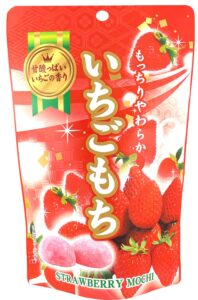
| Amaou Strawberry | いちごもち | Fukuoka Amaou strawberry puree | Named Japanese fruit |
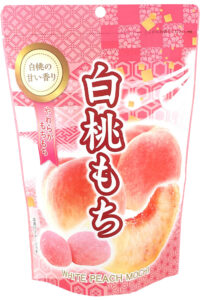
| White Peach | 白桃もち | White peach puree | Named Japanese fruit |
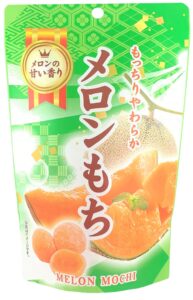
| Melon | メロンもち | Hokkaido melon puree | Named Japanese fruit |
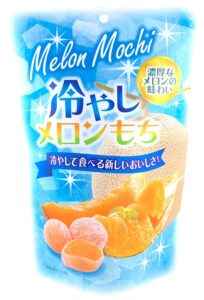
| Chilled Melon | 冷やしメロンもち | Hokkaido melon puree, made to eat cold | Named Japanese fruit |
| Shine Muscat Daifuku | シャインマスカット大福 | Shine Muscat grape | Named Japanese fruit |
| Setouchi Lemon | 瀬戸内レモンもち | Setouchi lemon peel | Named Japanese fruit |
| Mikan | みかんもち | Mandarin juice with iyokan peel | Named Japanese fruit |
| Kyoho Grape | 巨峰もち | Kyoho grape juice | Named Japanese fruit |
| Yuzu | ゆずもち | Yuzu peel | Named Japanese fruit |
| Uji Matcha | 抹茶もち | Uji matcha from Kyoto | Tea, herb and traditional |
| Sakura | さくらもち | Cherry-leaf powder | Tea, herb and traditional |
| Ume Plum | 梅もち | Japanese plum | Tea, herb and traditional |
| Annin Tofu | 杏仁豆腐もち | Almond tofu dessert flavour | Tea, herb and traditional |
| Yomogi & Black Sesame | ちぎり草もち | Mugwort and black sesame seeds | Tea, herb and traditional |
| Kibi Dango | きびだんご | Millet flour, dusted with kinako | Tea, herb and traditional |
| Ramune | ラムネもち | Ramune soda flavour | Retro Japanese drinks |
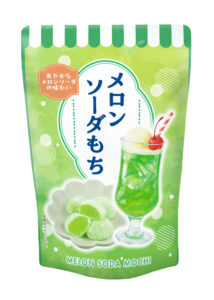
| Melon Soda | メロンソーダもち | Retro melon soda flavour | Retro Japanese drinks |
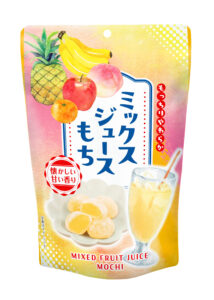
| Mixed Juice | ミックスジュースもち | Mixed fruit juice flavour | Retro Japanese drinks |
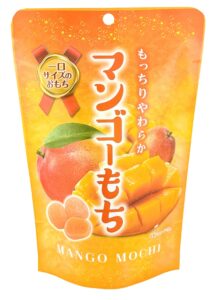
| Mango | マンゴーもち | Mango | Other fruit and root vegetable |
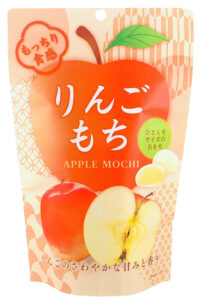
| Apple | りんごもち | Apple juice | Other fruit and root vegetable |
| Pineapple | パインもち | Pineapple | Other fruit and root vegetable |
| Dried Persimmon | 干し柿もち | Ehime Atago persimmons | Other fruit and root vegetable |
| Dried Sweet Potato Daifuku | 干しいも大福 | Dried sweet potato | Other fruit and root vegetable |
Named Japanese Fruit (9 Flavours)
Amaou Strawberry (いちごもち). Made with puree from Fukuoka’s Amaou strawberries, a cultivar bred for a high sugar level and a strong aroma. The strawberry flavour is sealed into a soft daifuku-style dough rather than sitting as a filling in the middle, so the sweetness is even across the whole piece.
White Peach (白桃もち). White peach puree kneaded into the dough. The maker notes this one is particularly popular with overseas buyers, which fits: peach reads as a familiar flavour, and the chewy texture is the part that surprises people.
Melon (メロンもち). Built on Hokkaido melon puree. Japanese melon is a gift-grade fruit rather than an everyday one, and the flavour here leans toward that heavy, perfumed sweetness rather than a watery melon note.
Chilled Melon (冷やしメロンもち). The same Hokkaido melon puree in a version designed to be eaten cold. The maker’s guidance is to put the pouch in the refrigerator, which firms the mochi slightly and sharpens the melon. It is the one flavour in the range with a serving instruction attached.
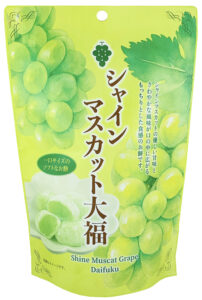
Shine Muscat Daifuku (シャインマスカット大福). Shine Muscat is the seedless green grape that Japanese fruit shops sell by the bunch at gift prices. The flavour is gentler and more floral than a standard grape candy, and this one is made in the thicker daifuku style.
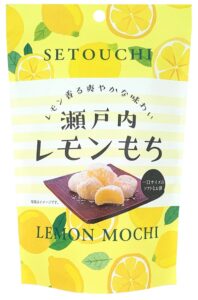
Setouchi Lemon (瀬戸内レモンもち). Made with lemon peel from the Setouchi region rather than lemon juice, which is why it tastes more like zest than like lemonade. The sourness is mild and the aroma does most of the work.
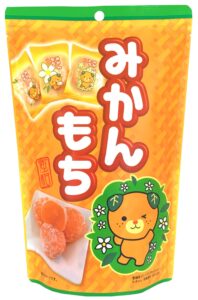
Mikan (みかんもち). Mandarin juice plus iyokan peel, a combination that gives you the easy sweetness of a satsuma with a faint bitter edge from the peel. Iyokan is a citrus strongly associated with Ehime, where these are made.
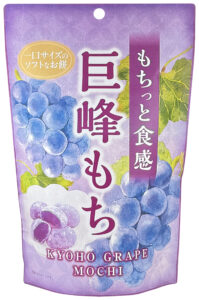
Kyoho Grape (巨峰もち). Kyoho juice kneaded through the dough. Kyoho is the large dark grape with a deep, almost jammy flavour, and it is the more assertive of the two grape options in the range.
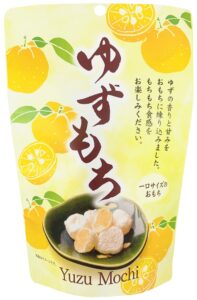
Yuzu (ゆずもち). Yuzu peel worked into soft mochi. Yuzu is sharper and more fragrant than lemon, and because the peel carries the flavour this is the most aromatic piece in the lineup.
Tea, Herb and Traditional Flavours (6 Flavours)
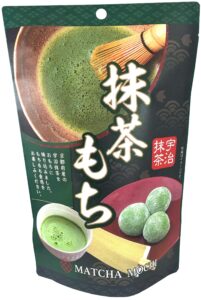
Uji Matcha (抹茶もち). Matcha from Uji in Kyoto kneaded into the dough, which gives a proper tea bitterness underneath the sweetness rather than a green-coloured sugar flavour. If you only try one from this group, this is the one that tastes most clearly of its ingredient.
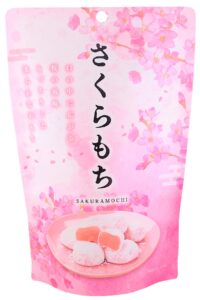
Sakura (さくらもち). Cherry-leaf powder is mixed into the mochi, so the flavour comes from the salted leaf rather than from the blossom. That is the traditional way sakura is used in Japanese confectionery, and it reads as a delicate, slightly herbal perfume.
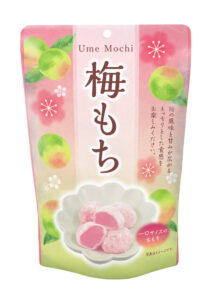
Ume Plum (梅もち). Japanese plum, with the clean sour finish that ume gives. The maker describes the pieces as brightly coloured and the texture as springy, and it is the most refreshing option in the range for anyone who finds fruit mochi too sweet.
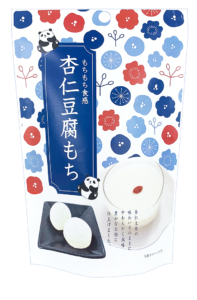
Annin Tofu (杏仁豆腐もち). Annin tofu is the almond-flavoured chilled dessert served at the end of a Chinese meal in Japan. Turning it into mochi keeps the almond-and-milk character but swaps the wobble for a chew.
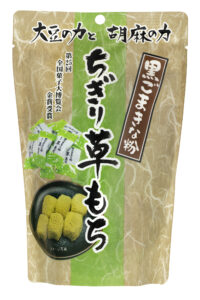
Yomogi and Black Sesame (ちぎり草もち). Mugwort and black sesame kneaded into one-bite pieces, so you get the grassy herbal note of kusa mochi plus the pop of whole sesame seeds. This is the only flavour with sesame and soy in its allergen list alongside milk.
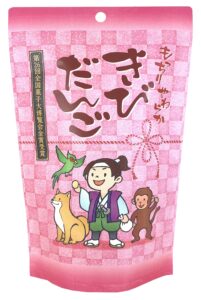
Kibi Dango (きびだんご). Millet-flour mochi dusted in roasted kinako soybean flour. The flavour is nutty and very lightly sweet, and it contains soy as well as milk. In Japan it has a seasonal association with Setsubun in early February.
Retro Japanese Drink Flavours (3 Flavours)
This is the group with no overseas counterpart. All three are based on drinks that are everyday in Japan and almost unknown elsewhere, which makes them the most interesting pouches to bring home for someone who has already tried matcha and strawberry.
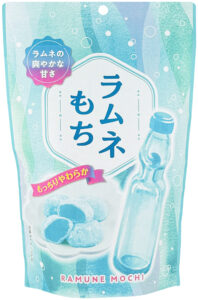
Ramune (ラムネもち). Ramune is the glass-bottle soda with a marble in the neck, sold at summer festivals. The flavour is a specific kind of sweet, slightly medicinal fizz that Japanese people recognise instantly, and here it comes without the carbonation.
Melon Soda (メロンソーダもち). Bright green melon soda is a fixture of old-fashioned Japanese coffee shops, usually with a scoop of vanilla ice cream floating in it. The maker says it reproduces the drink’s crisp sweetness and aroma, and describes the pouch as a conversation starter when you hand it round.
Mixed Juice (ミックスジュースもち). Mixed juice is the blended fruit-and-milk drink associated with Osaka. The maker frames it as a nostalgic flavour turned into a wagashi, with the fruit sweetness coming through from behind the chew.
Order Japanese Mochi Snacks Worldwide
Room-temperature snacks travel well. Item price plus shipping, duties shown at checkout, tracked delivery in about 7 to 14 days.
Shop on kachicollectOther Fruit and Root Vegetable Flavours (5 Flavours)
Mango (マンゴーもち). The richest and most concentrated sweetness in the range, according to the maker’s own description. Mango is not a Japan-specific flavour, but it is a useful entry point if you are buying for someone who is new to mochi texture.
Apple (りんごもち). Apple juice kneaded into the dough for a light, crisp sweetness. It is one of the mildest options and works well for children.
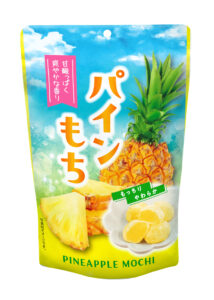
Pineapple (パインもち). A blue-sky pineapple pouch, with a sharp tropical note against the gentle sweetness of the mochi. One of the most recent additions to the lineup.
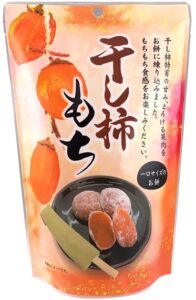
Dried Persimmon (干し柿もち). Made with Atago persimmons grown in Ehime and dried, which concentrates the sugar into something closer to dried fruit than fresh. The result is deep and honey-like, and it is the least candy-flavoured piece in the whole range.
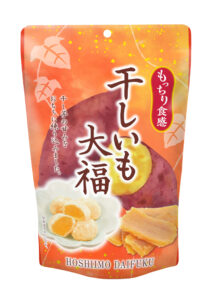
Dried Sweet Potato Daifuku (干しいも大福). Hoshi-imo, dried sweet potato, is a standard Japanese snack in its own right. Folded into daifuku it gives a mellow, roasted sweetness with no added fruit flavour at all.
How to Buy Japanese Mochi Snacks From Outside Japan
Order From the kachicollect Catalog
kachicollect is a Japan-based shop that only carries products made for the Japanese market, covering Japanese snacks, gummies, tea, J-beauty and more. The catalog is the simplest starting point because everything listed is already sourced and priced, and room-temperature mochi is one of the easier categories to ship.
You pay the listed price plus shipping with no proxy fees, and the total including duties is shown at checkout before you pay. Payment is in your local currency by Visa, Mastercard or JCB, so you do not need a Japanese address or card, and orders ship worldwide with tracking in about 7 to 14 days. Our guide to where to buy Japanese snacks online covers the alternatives in more detail.
Request a Specific Flavour
Not every one of the 23 flavours is on the shelf at the same time, and the newer ones reach retailers unevenly. If there is a specific pouch you want, send us the product link from a Japanese site and you will get an instant quote, then buy it directly on kachicollect with no service fees. That covers Japanese marketplace listings in general, so it works for flavours that never make it into any export channel.
eBay
Some Japanese mochi snacks turn up on eBay, usually as assorted lots rather than by flavour, and at a reseller markup. Because these are 150-day products rather than years-long shelf stable ones, ask the seller for a photo of the best-before date printed on the pouch before you buy.
Amazon
Amazon listings for Japanese mochi are generally from third-party sellers importing stock rather than from the maker, so the range is narrow and the pricing varies. Expect the common flavours like strawberry and matcha rather than melon soda or dried persimmon.
Tips Before You Order
No cold chain needed. These are room-temperature products with a 150-day shelf life, which is why they ship far more easily than frozen mochi ice cream or chocolate. You can order in summer without worrying about the package sitting in a warehouse.
Check the milk allergen. Every flavour in the range lists milk. The mugwort one also lists sesame and soy, and the kibi dango lists soy. Always confirm against the pack itself, because the maker notes that allergen information can change with product revisions.
Individually wrapped means easy gifting. Each pouch holds one-bite pieces in separate wrappers, so a single 130 g pack can be split between a lot of people at an office or a classroom without anything drying out.
Two products are daifuku-style. Shine Muscat and dried sweet potato are made as daifuku, which means a thicker, more substantial piece than the standard flavoured mochi. Worth knowing if you are comparing textures.
The lineup rotates. Newer flavours such as pineapple, ume plum, melon soda and dried sweet potato have joined recently, and availability differs by store and season. Do not assume a flavour you saw last year is still being made.
Frequently Asked Questions
Are these the same as the mochi ice cream sold overseas?
No. Mochi ice cream is a frozen product with an ice cream centre. These are shelf-stable mochi with the flavour kneaded into the rice dough, stored and shipped at room temperature.
Do Japanese mochi snacks need refrigeration?
No. Storage is at room temperature with a 150-day shelf life. Chilled Melon is the exception in the sense that the maker recommends refrigerating it before eating for a better result, but even that is not a storage requirement.
How many pieces are in a pouch?
The maker states 130 g per pouch including the individual wrappers, but does not publish a piece count, and the number varies with how the mochi is cut. Treat 130 g as the reliable figure.
Where are these sold in Japan?
They are souvenir-shelf products, so you find them in airport gift shops, roadside station stores, tourist-area confectionery corners and the sweets aisle of large discount chains. They are not usually in the refrigerated dessert section of an ordinary supermarket.
Can I order a flavour that isn’t in the catalog?
Yes. Send the product URL from a Japanese site and you will get an instant quote, with no service fee on top of the item price and shipping. The total including duties is shown before you pay.
Conclusion
Twenty-three flavours in one 130 g pouch format, and the interesting ones are not the fruit flavours you can guess. Uji matcha, salted cherry leaf, mugwort with black sesame, Ehime dried persimmon, and three based on Japanese soft drinks that are almost impossible to find abroad. If you are buying for someone who has already had mochi ice cream, the retro drink group is the one that will actually surprise them.
The kachicollect catalog already carries a large selection of Japan-only snacks you can pick from directly, and anything not listed can be requested by sending the product link. You pay the item price plus shipping with no proxy fees, see the total including duties before checkout, and first-time customers can use the code WELCOME20 for 20% off. For more Japanese sweets worth ordering, see our guides to Cororo gummy flavours and Japan-only Hi-Chew flavours. If you want the kind of mochi you cook rather than eat from the bag, see our guide to how to cook kirimochi, and our explainer on the different types of Japanese mochi.
Order Japanese Mochi From Japan
Products made for the Japanese market, shipped worldwide with tracking in about 7 to 14 days. Use code WELCOME20 for 20% off your first order.
Shop Now at kachicollect