Uji matcha carries a premium over matcha sold without a region on the tin. What most buyers do not know is that the term has a formal definition, agreed by the Kyoto tea trade, and that the definition says something quite different from what people assume.
This guide covers what the name officially guarantees, what the different label wordings actually mean, how to read Japanese matcha product names, and which tin to choose depending on what you plan to do with it.
Japanese Tea, Direct From Japan
kachicollect only carries products made for the Japanese market. No proxy fees, and duties are shown before you pay.
Shop on kachicollectWhat “Uji Matcha” Officially Means
The Kyoto Prefectural Tea Industry Council settled a definition of Uji tea in 2004. In their wording, Uji tea is tea from the four prefectures of Kyoto, Nara, Shiga and Mie that has been finish-processed within Kyoto Prefecture by a business based there. The definition adds that Kyoto-grown leaf is to be prioritised.
Read that again, because the implication is the part that matters when you are spending money. Uji matcha does not have to be grown in Kyoto. Leaf from Nara, Shiga or Mie qualifies, provided a Kyoto company does the finishing inside Kyoto. This is not a loophole or a scandal; it is the agreed industry definition, and it reflects the fact that the Uji name has always described a processing tradition as much as a place.
So the guarantee you are buying is real, but it is a guarantee about who finished the tea and where, not about the field it grew in.
The Label Hierarchy
Because the definition works that way, Japanese labels use different wordings that mean genuinely different things. From most specific to least:
| Label wording | Where the leaf is grown | Where it is finished | What it tells you |
|---|---|---|---|
| Kyoto-grown Uji matcha | Kyoto Prefecture only | Kyoto | The most specific claim available |
| Uji matcha | Any of the four prefectures | Kyoto | Finishing is in Kyoto; growing region is open |
| Made with matcha | Unspecified | Unspecified | Nothing about origin |
| Matcha-flavoured | — | — | May contain little or no matcha |
Two practical notes. A wording that names Kyoto as the growing region is the strongest origin claim on the shelf, but unless it also says the product is 100% that matcha, other matcha may still be blended in. And on confectionery, “matcha-flavoured” is a different category of claim altogether — it describes a taste, not an ingredient.
Want a Specific Tin From Kyoto?
Send us the link to any Japanese product page for an instant quote. No proxy fees, duties shown before you pay.
Shop on kachicollectWhich Uji Matcha to Choose
The tins below are all from an Uji tea house and were in stock at the time of writing. They are grouped by what the maker itself recommends the matcha for, which is the classification Japanese producers actually use.
| Pick | Size | Maker recommends for | Name type | Price tier | Beginner |
|---|---|---|---|---|---|
| Ukishima-no-shiro | 30 g tin | Thin tea, also cooking | shiro | Low | Yes |
| Matcha Starter | 100 g bag | Whisking, lattes, sweets | — | Low per gram | Yes |
| Senun-no-shiro | 30 g tin | Thin tea | shiro | Medium | Yes |
| Sho-no-mukashi | 30 g tin | Thin and thick tea | mukashi | Medium | Yes |
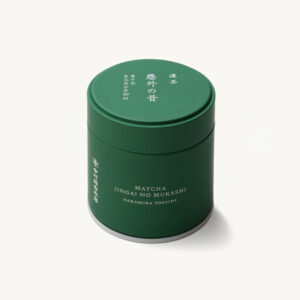
| Jingai-no-mukashi | 30 g tin | Thick tea | mukashi | High | No |
| Uji-no-mukashi | 30 g tin | Thick tea | mukashi | Very high | No |
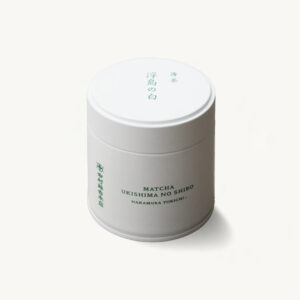
Ukishima-no-shiro — the first tin to buy
The maker recommends it for thin tea and describes it as light on the palate with a fresh finish, and explicitly says it also works in cooking and baking. That combination is what makes it the sensible starting point: if whisking does not become a habit, the tin still gets used.
Matcha Starter — if you want volume and versatility
A 100 g bag rather than a tin, made only from Kyoto first-flush leaf. The maker positions it between two of its own tinned grades and is unusually open about the processing: it is machine-ground rather than stone-ground, chosen deliberately for consistency and versatility. It is sold for whisking, mixing, shaking and dusting — lattes and desserts included.
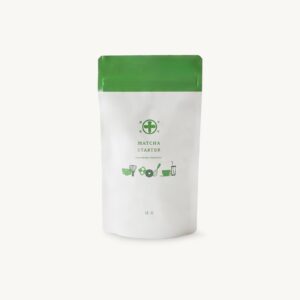
Per gram this is the cheapest way into genuine Kyoto matcha on this list, which makes it the pick if you expect to use matcha regularly rather than ceremonially.
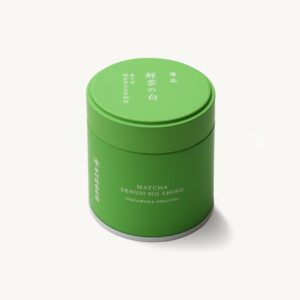
Senun-no-shiro — thin tea with more backbone
Also recommended for thin tea, but the maker describes a comparatively firm bitterness and astringency with a refreshing aftertaste. If a light matcha tastes like nothing to you, this is the step up without leaving the thin-tea category.
Sho-no-mukashi — the one that does both
Recommended by the maker for thin and thick tea, which makes it the most flexible tin here. The description runs to soft, rounded umami and faint sweetness, with a gentle bitterness arriving late to tighten the finish.
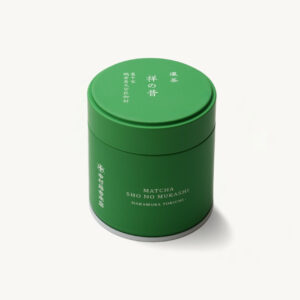
If you are curious about thick tea but not ready to buy a dedicated koicha tin, this is the honest middle path.
Jingai-no-mukashi — dedicated thick tea
Recommended for thick tea only. This is where the price steps up markedly and where the preparation stops being forgiving.
Uji-no-mukashi — the top of this range
Also for thick tea, described as having a vividly green liquor with a refined balance of bitterness and sweetness and no harsh edges. It is the one tin here that carries Uji in its own product name.
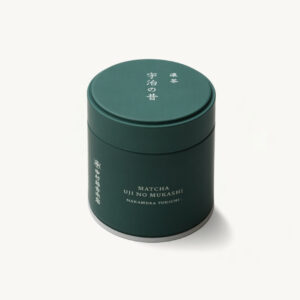
Both of these last two are excellent and neither is a beginner purchase, for the reason in the next section.
Reading the Names: Shiro and Mukashi
You will have noticed the product names above end in one of two words. This is a real convention, and once you can read it you can place an unfamiliar tin on the shelf without asking.
| Suffix | Generally means | Typically recommended for |
|---|---|---|
| shiro (white) | The lighter side of the range | Thin tea |
| mukashi (old) | The richer side of the range | Thick tea, or both |
The pricing bears this out. Across the range these picks come from, the shiro tins occupy the lower band and the mukashi tins the upper one, with the crossover sitting where a matcha becomes suitable for thick tea. It is a consistent enough pattern to shop by.
You may also see tins described as the preferred blend of a named tea master. That is a house designation rather than a quality grade, and it tells you which lineage the blend was composed for, not that it outranks the tin beside it.
Where Uji Matcha Actually Comes From
Uji is a city south of Kyoto, but the growing area associated with the name covers several districts of southern Kyoto Prefecture, and under the official definition it can extend into three neighbouring prefectures.
It is also worth knowing that Uji is not the volume leader. Kagoshima produces more tencha, the shaded leaf that matcha is ground from, than any other prefecture; Kyoto is second. What Uji represents is a concentration of finishing expertise and a long-standing reputation, not the largest harvest. Excellent matcha is also made in Nishio in Aichi and in Kagoshima, and a tin from either can be better than a mediocre tin from Kyoto.
Our guide to the best Japanese matcha by purpose compares across regions, and our explainer on Japanese matcha powder covers how matcha differs from the sweetened mixes sold beside it.
What’s Happening to Uji Matcha Right Now
Two things are worth knowing before you order, both current as of September 2026.
Supply is tight and it is visible at retail. Kyoto tea houses have introduced purchase limits, with product pages carrying notices that matcha purchases are being restricted and capped per order. At the first tencha auction of 2026 in Kyoto, the average winning price per kilogram reached a ten-year high. Kyoto growers have shifted heavily toward tencha, which now accounts for roughly three quarters of the prefecture’s first-flush volume traded through the market, and other tea types have declined accordingly.
Good matcha has a short best-before date. This surprises people. The tins in this guide carry best-before periods of two to three months, not years. Matcha loses colour and aroma quickly, and a serious maker dates it accordingly rather than pretending otherwise. Factor shipping time into that, buy the size you will actually finish, and do not stockpile.
How to Buy
Order From the kachicollect Catalog
kachicollect is a Japan-based shop carrying only products made for the Japanese market, including Japanese tea. You pay the listed price plus shipping with no proxy fees, and the total including duties is shown at checkout before you pay. Payment is in your local currency by Visa, Mastercard or JCB, so you do not need a Japanese address or card, and orders ship worldwide with tracking in about 7 to 14 days.
Request a Specific Tin by URL
Matcha is the category where this matters most. Individual tins sell out, move to made-to-order, or carry per-customer limits, and almost none of the range described here reaches an overseas shelf. Send us the product link from a Japanese site and you will get an instant quote, then buy it directly on kachicollect with no service fees.
Frequently Asked Questions
Is Uji matcha grown in Kyoto?
Not necessarily. Under the official definition, leaf from Kyoto, Nara, Shiga or Mie qualifies as Uji tea provided a Kyoto business finish-processes it within Kyoto. Kyoto-grown leaf is prioritised, but it is not a requirement of the name.
What is the difference between “Uji matcha” and “Kyoto-grown Uji matcha”?
The second wording restricts the leaf to Kyoto Prefecture, so it is the stricter claim. The first guarantees only that finishing happened in Kyoto. If origin matters to you, look for the wording that names the growing prefecture.
Is Uji matcha the best matcha in Japan?
Uji has an exceptional reputation and a deep concentration of skill, but it is not a quality rating, and it is not the largest producer — Kagoshima makes more tencha. Nishio in Aichi and Kagoshima both produce excellent matcha. Judge the tin, not the region alone.
How do I avoid fake Uji matcha?
Buy from a maker or a shop that states the origin wording precisely, and read which of the four label types above it uses. Be sceptical of anything that says only “matcha-flavoured”, and remember that a shortage raises the incentive to stretch a famous name.
Why is it so expensive at the moment?
Demand has outrun the shaded-leaf harvest since autumn 2024. The 2026 auction price for tencha in Kyoto hit a ten-year high, and retailers have responded with purchase limits rather than simply raising prices further.
How should I store it?
Sealed, cool, away from light and humidity, and refrigerated in hot weather. Given best-before periods of two to three months on the tins here, treat matcha as fresh produce rather than as a pantry item.
Conclusion
The Uji name is a genuine designation with a published definition, and the definition is about finishing in Kyoto rather than growing there. Once you know that, the label wordings stop being decorative and start being information: a named growing prefecture is the strictest claim, plain “Uji matcha” tells you about the finisher, and “matcha-flavoured” tells you almost nothing.
For a first tin, take a shiro recommended for thin tea, or a larger bag if you intend to use matcha in lattes and baking as well. Leave the thick-tea mukashi tins until you want them. And buy for the next two months rather than the next year, because that is how long the good stuff is dated for.
The kachicollect catalog carries Japanese tea alongside a wide selection of other Japan-only products, and anything not listed can be requested by sending the product link. You pay the item price plus shipping with no proxy fees, see the total including duties before checkout, and first-time customers can use the code WELCOME20 for 20% off.
Order Uji Matcha From Japan
Products made for the Japanese market, shipped worldwide with tracking in about 7 to 14 days. Use code WELCOME20 for 20% off your first order.
Shop Now at kachicollect